Innovation
How Programmable Payments Work With Tokenized Deposits
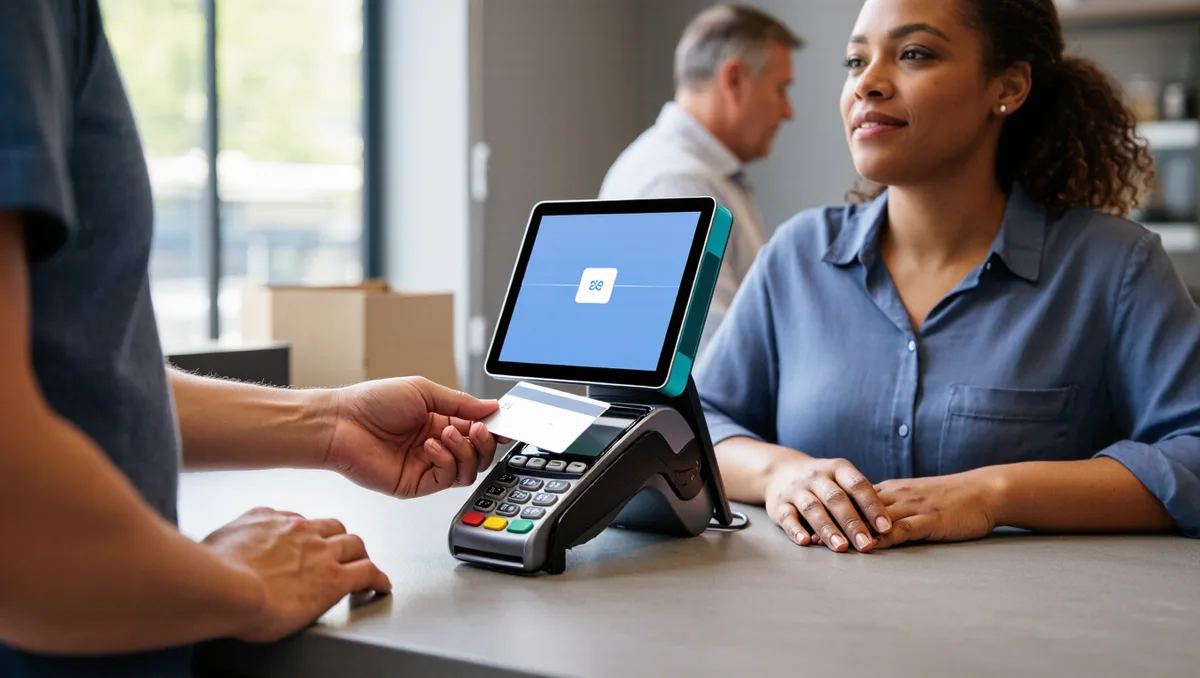
Programmable payments attach rules to money, and tokenized deposits give those rules something safe to move. Here is how the two layers fit together.
Stablecoin settlement, tokenized deposits, instant payout and new authentication examined for measurable gain over the systems already carrying the volume.
Programmable payments attach rules to money, and tokenized deposits give those rules something safe to move. Here is how the two layers fit together.
Implementation, measured impact and evidence usually outrank novelty, which is why polished pitches with no traction lose to quieter products that work.
Experimentation on a tight budget is a process problem, not a money problem — and the process is buildable.
Passkeys swap a typed secret for a cryptographic key stored on your device, cutting off the phishing route into bank and payment accounts.
Federal rules cap most consumer liability at $50 and give financial institutions a 10-business-day clock to investigate, with narrow exceptions stretching to 45…