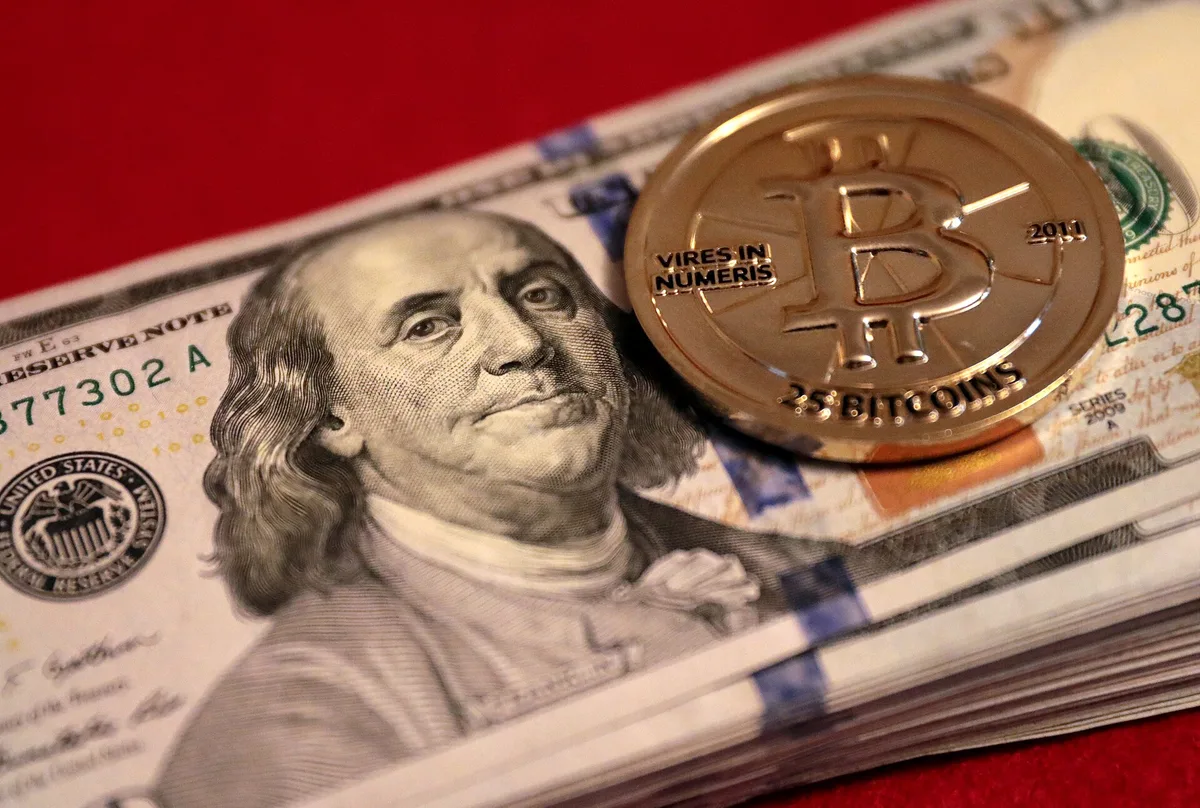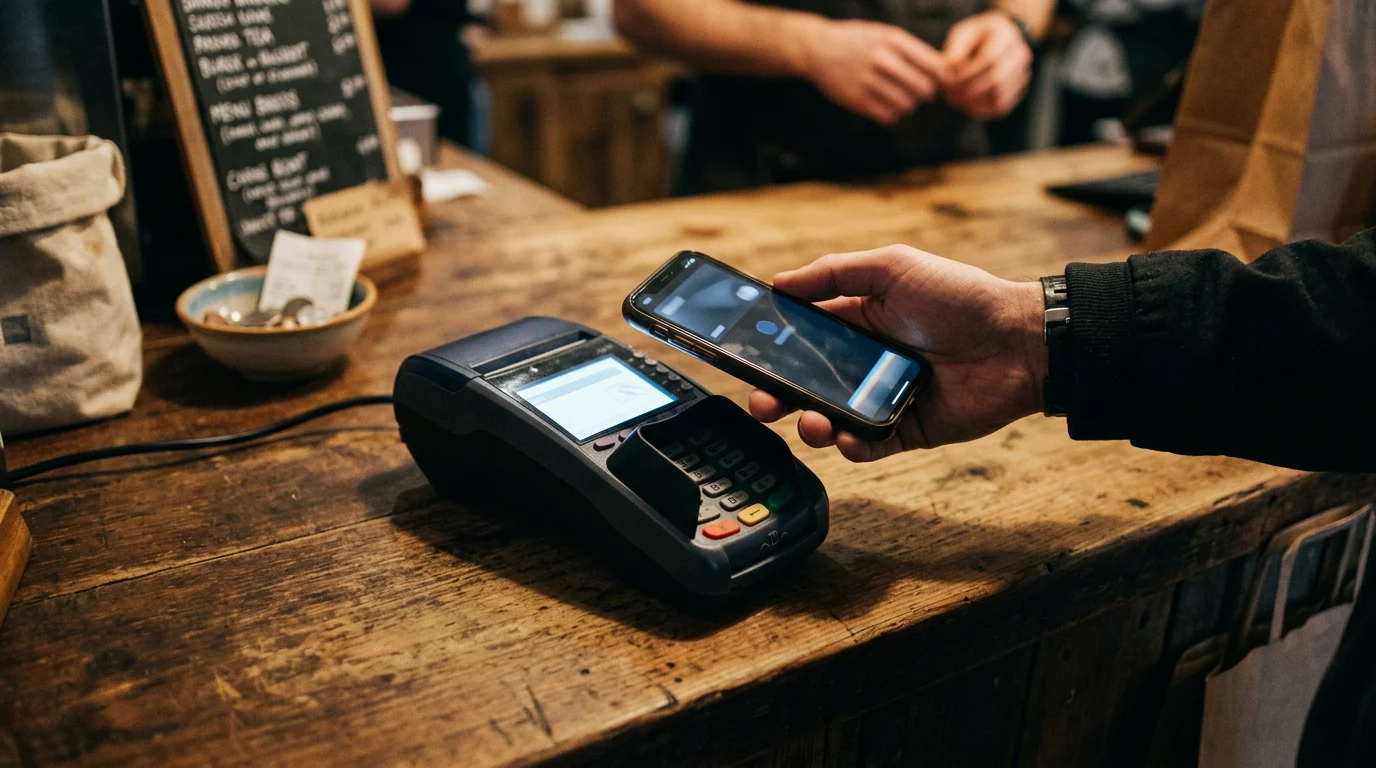
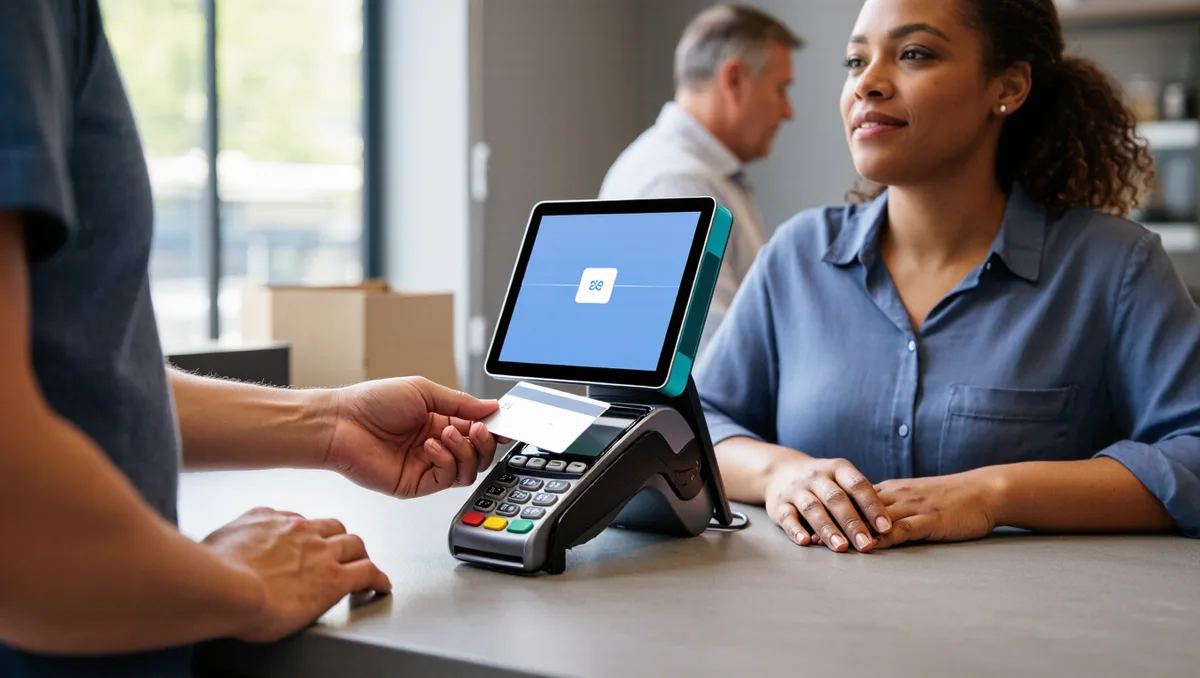
Money is starting to behave like software. A payment can carry its own rulebook. It can wait for a delivery to be confirmed, split itself across several parties, or release funds on a set schedule. These ideas sit behind the phrase programmable payments.
A second idea often travels beside it: the tokenized deposit. The name sounds dense. The mechanics are simple. Split the idea into two parts: the token and the payment system. This guide walks through both parts, then shows how they move together as one flow.
The Payment System Layer
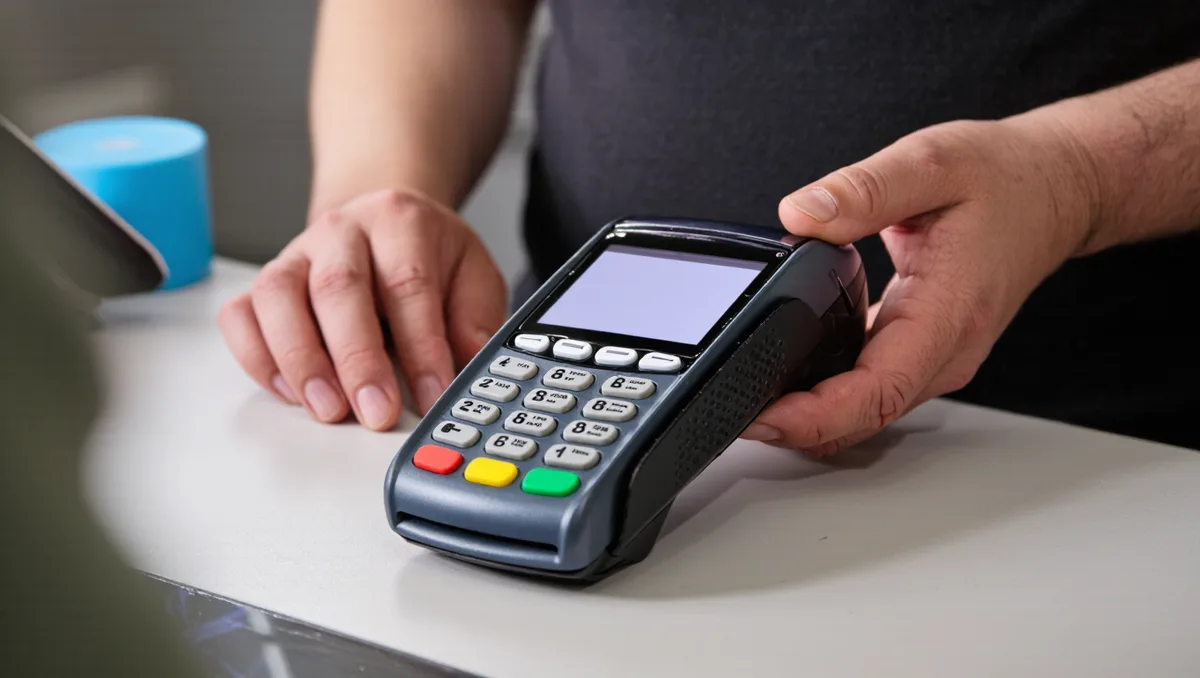
Start with the plumbing. A payment system is any system used to settle financial transactions through the transfer of monetary value, according to Wikipedia’s overview of payment systems. The term covers the banks, the rules, and the tools that move value between accounts. Card networks, bank transfer rails, and wallet platforms all fit under that roof. A programmable payment does not replace this layer. It rides on top of it and hands the money a set of instructions.
What Tokenization Actually Means
Tokenization has a precise meaning in data security. Wikipedia describes it as replacing a sensitive data element with a non-sensitive equivalent, called a token. The token has no intrinsic or exploitable value of its own. A secure vault maps each token back to the data it stands for. Only the tokenization system can reverse the mapping. If a store of tokens leaks, the attacker holds references with no value of their own. Readers following this should also see Network Tokenization Explained: How Visa and Mastercard Replace Card Numbers.
Card payments already use this trick. The same Wikipedia article on tokenization notes that tokenization is often used in credit card processing. A merchant keeps a token, and a third party holds the real card number. Wallet payments on phones follow the same pattern, with a token standing in for the card.
Applying the Idea to Deposits
A tokenized deposit applies the same pattern to money itself. The deposit stays with a regulated bank. A digital token then stands in for that deposit and can move at software speed. Wikipedia’s tokenization article frames the wider idea well. Rights become a digital token backed by the asset itself. The token is a claim on money, not new money. That distinction shapes every control built around it.
How a Programmable Payment Flows
With both layers in place, a programmable payment follows a clear path.
- The payer sets rules that state when, to whom, and how much money may move
- The rules are attached to the token or recorded with the transfer
- The system tests each condition before it releases any funds
- The transfer settles on the underlying payment rails
- Both sides see the same record of what happened and when
No step needs a person to press a button. The logic runs at night exactly as it runs at noon. If a condition fails, the money simply waits until the rule is satisfied.
Why Teams Adopt This Model
The appeal is control. Rules can hold funds until a condition is met, divide a payment among several parties, or block a transfer that fails a check. Finance teams spend less time on manual release steps. Auditors get a clean trail, because each token movement carries its rule with it.
The model also raises the bar for security. Tokens are only as strong as the vault and the code behind them. Wikipedia stresses that a tokenization system must be isolated from other systems. It must also be validated and kept under strict controls. A programmable design inherits that duty and adds its own.
Conclusion
Programmable payments turn a money transfer from a one-off event into a rule-based flow. Tokenized deposits give those flows a safe stand-in for the money itself. The payment system still does the settling. The token still points back to a real deposit. Keep both halves in view, and the architecture becomes far easier to read.
This article is for general education only. It is not financial, legal, or tax advice. Speak with a qualified professional before you make decisions about your money. We covered a connected angle in How AI Underwriting Is Changing Credit Decisions at U.S. Banks.