
Topic
How Unit Economics Decide Whether a Digital Bank Survives
Acquisition spend, compliance overhead and per-account servicing costs decide whether a challenger bank reaches breakeven or keeps raising money.
Acquisition spend, compliance overhead and per-account servicing costs decide whether a challenger bank reaches breakeven or keeps raising money.

Programmable payments attach rules to money, and tokenized deposits give those rules something safe to move. Here is how the two layers fit together.

Cards and wallet apps are layers of the same system, not rivals. How each works, where each shines, and how to pick the right one at the counter.

A payments hub gives merchants one integration and many payment providers. This guide explains the architecture layer by layer, from gateway to settlement.
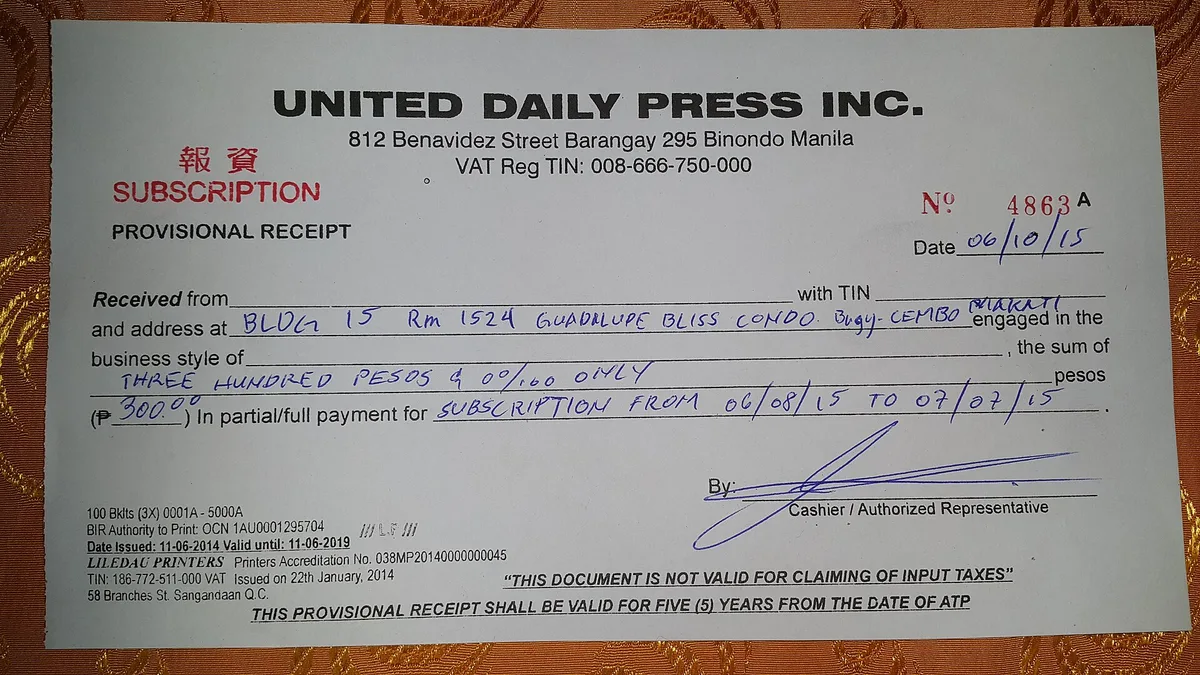
Recurring payments fade into the background until a statement surprises you. Here is a simple routine to track, rate, and manage every subscription.

Implementation, measured impact and evidence usually outrank novelty, which is why polished pitches with no traction lose to quieter products that work.

A single card payment crosses at least four companies between checkout click and settled funds. Here is the route, and where the fees sit along it.

Correspondent banking chains, fee stacking and FX spreads explain the lag; newer instant rails are starting to cut it.