How Instant Payouts Work for Gig Workers and Contractors
Instant payouts let gig workers pull earned wages to a debit card in minutes. The rails, the fees and the dispute path, with figures from Stripe, The Clearing House and the Federal Reserve.


Instant payouts let gig workers pull earned wages to a debit card in minutes. The rails, the fees and the dispute path, with figures from Stripe, The Clearing House and the Federal Reserve.

Latin America's largest economy runs one of its most active fintech markets, and the mechanism behind that activity matters more than any single announcement.

Pay-in-four mechanics, the CFPB's 2024 interpretive rule that treated BNPL like credit cards, the May 2025 withdrawal of that guidance, and the numbers that show where the product strains.

Banks earn the spread between deposit and loan rates, add fee income, then absorb losses and payroll; FDIC data put the industry margin at 3.32 percent in second quarter 2026.

The FDIC has paid every insured deposit since 1933. The $250,000 limit runs per bank and per ownership category, and the NCUA runs the same math for credit unions.

A new digital banking update brings credit card PIN changes, future-dated Interac e-Transfers and appointment booking to the Scotia app — what each change does, and who it affects.

TD Bank U.S. will route app and aggregator connections through Akoya's Open Finance Solution, with onboarding starting in the fourth quarter.

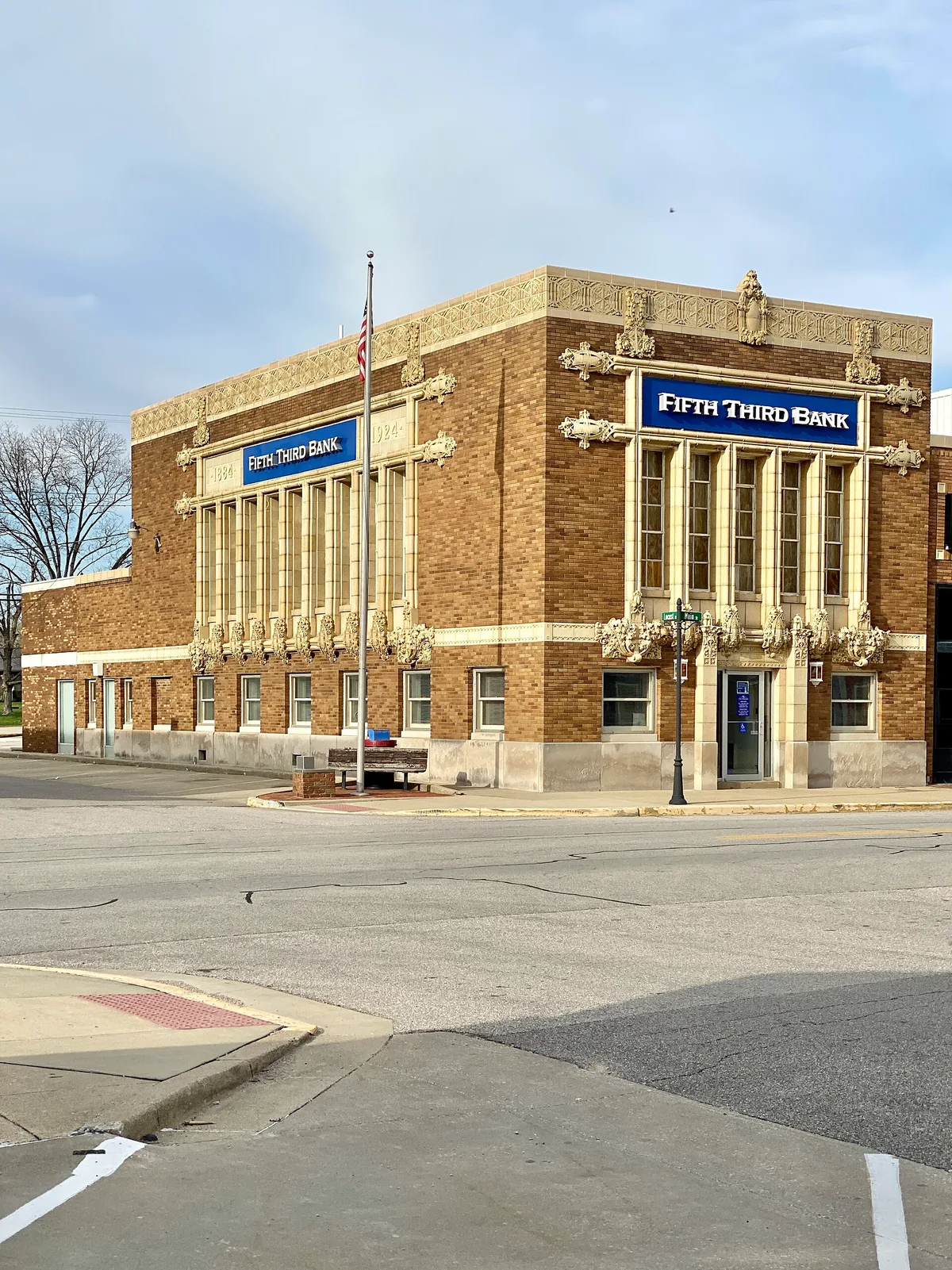
When the last teller window in town stays open, the reason is rarely the branch's own economics — it is everything the branch quietly carries.

Programmable payments attach rules to money, and tokenized deposits give those rules something safe to move. Here is how the two layers fit together.

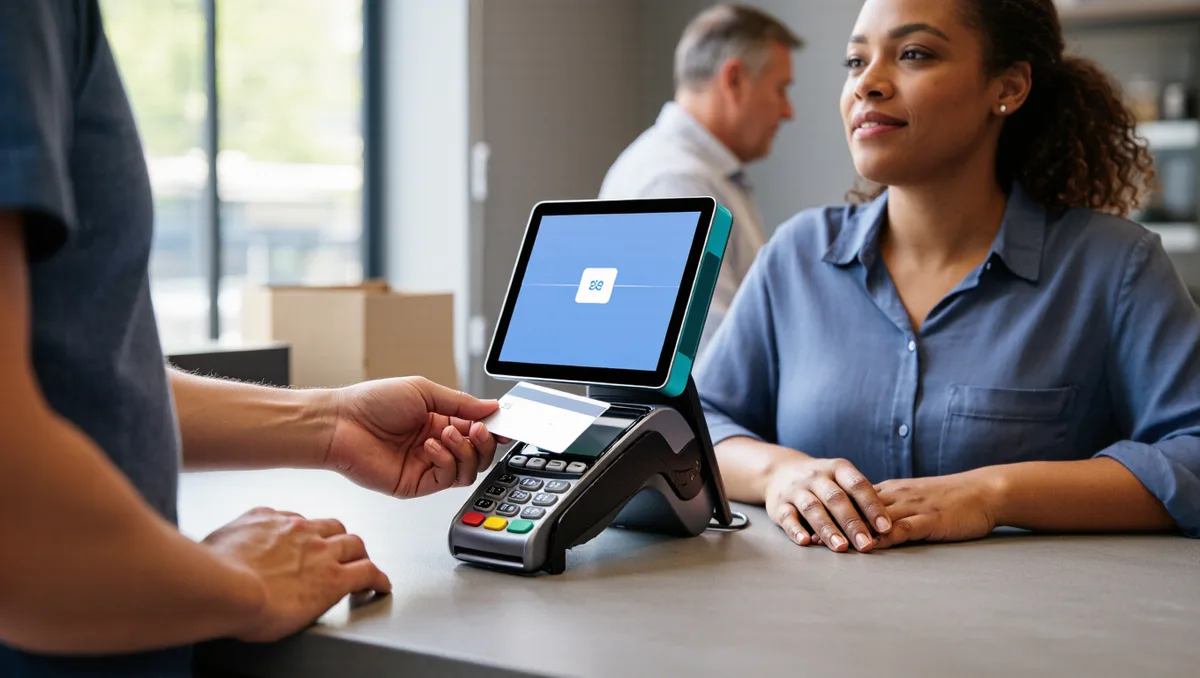
Cards and wallet apps are layers of the same system, not rivals. How each works, where each shines, and how to pick the right one at the counter.