
Scotiabank has rolled out a set of digital banking updates to its Canadian mobile app, adding self-serve credit card management and the ability to schedule Interac e-Transfer transactions in advance. The changes were announced by the bank on October 27, 2026.
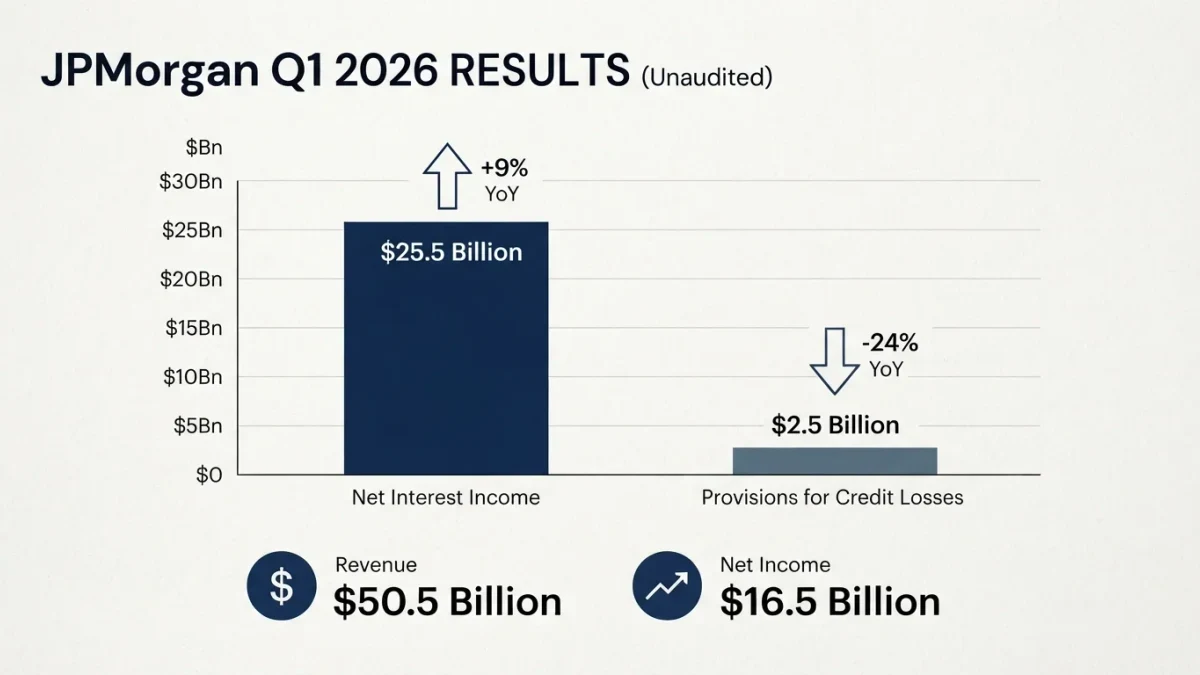
The update covers four areas: a redesigned Scotiabank.com website, personalized savings insights tied to a tiered high-interest savings account, in-app appointment booking with reminders, and expanded card self-serve options. The bank frames the release around client feedback, including an event it calls Client Innovation Day, where clients and bank teams worked on prototypes together. This connects to our earlier piece, Q1 2026 Bank Earnings: JPMorgan Grows Net Interest Income 9%. Readers following this should also see Q1 2026 Bank Earnings: JPMorgan Grows Net Interest Income 9%.
For readers who follow how banks compete, the interesting part is not the feature list itself. It is what the features say about where the cost of servicing a customer sits — and how a bank of Scotiabank's size, with approximately $1.5 trillion in assets as of July 31, 2026, according to its own announcement, tries to move routine work into an app.
What can customers now do themselves in the app?
The self-serve additions focus on credit cards and money movement. According to the bank's announcement, Scotia app users can now set up or update a credit card PIN, replace a damaged credit card, or replace a line of credit access card. Those are small tasks individually, but they are among the most common reasons customers contact a bank at all.
The second piece is scheduled transfers. The app now supports future-dated and recurring Interac e-Transfer transactions, which the bank says gives clients more flexibility to stay on top of everyday financial commitments like paying rent or sending money to family. Scheduling means a customer can set up rent for the first of the month, or a recurring payment to a family member, and let the app handle it.
For the bank, every one of these transactions handled in the app is one that does not occupy a phone line or a teller. For the customer, it is a trade: convenience now, in exchange for trusting the app to get the details right.
How does the new savings account structure work?
The update also touches deposit pricing, which is where the mechanics get worth unpacking. Scotiabank highlights its Scotia High Interest Savings Account, which the bank describes as one of Canada's first relationship-based high-interest savings accounts. The rate a client earns depends on their Total Relationship Balance — the combined daily closing balances of eligible Scotiabank accounts, including chequing, savings, GICs and mutual funds, linked to the client's retail profile. Readers following this should also see How the Fed Funds Rate Actually Reaches Your Savings Account.
The structure works in tiers. Per the fine print in the announcement, if a client's Total Relationship Balance exceeds or equals $10,000 CAD, the client earns the applicable Regular Interest Rate for their balance level on the entire HISA balance. The bank evaluates the balance daily, so the rate can change as balances move.
The app update adds a nudge on top of this structure: eligible clients receive personalized notifications when they are close to reaching the next balance tier and a higher interest rate. That is a retention mechanic as much as a savings tool. A customer who consolidates balances at Scotiabank to hit a tier is harder for a competitor to win over, because moving one account means losing the rate on all of them. The bank can change current interest rates at any time without prior notice, per the disclosure — a detail worth noting before rearranging accounts for a tier.
What does the appointment booking change do?
Clients and prospective clients can now book appointments directly through the Scotia app. Email reminders include the appointment details, a calendar add option, and a list of documents to bring. Existing clients also get push notifications ahead of virtual and in-person meetings, and can view or adjust their appointment details in the app.
The operational logic is the same as the self-serve card tools: reduce no-shows and reduce preparation friction. A customer who arrives with the right documents is a meeting that does not need to be repeated.
What is Client Innovation Day?
This month, Scotiabank hosted its inaugural Client Innovation Day, an event that brought clients and bank teams together to co-create solutions based on client feedback in real time. The bank says the event turned client insights into ideas and prototypes, with AI-powered tools helping teams explore and refine concepts quickly.
It is worth reading this as what it is: a bank describing its own event and its own prototypes, not an independent assessment of what will ship. Co-creation sessions are a common research format, and the output is a pipeline of candidate features, not a product guarantee. Still, the format signals where Scotiabank says its product development input comes from — client feedback rather than internal assumption.
Why does this update matter beyond Scotiabank?
Digital banking updates like this one are the quiet front line of competition among large banks. Interest rates are visible and comparable; app capabilities are not, but they shape where a customer banks day to day. Scheduled e-Transfers and self-serve card replacements remove specific reasons to call or visit, which lowers the bank's cost to serve and raises the switching cost for the customer at the same time.
What remains unknown from the announcement alone: rollout timing details beyond "the latest set of digital features," whether any of the features carry fees, and which features will graduate from Client Innovation Day prototypes into the app. Those answers sit in future product documentation, not in this release. The bank's own disclosure that rates can change without notice is the standing caveat on the savings side; the rest is a feature list that customers can verify directly in the app.