
Topic
What Is Digital Banking? A Complete Guide for Consumers and Businesses
Digital banking moves the branch to an app, but the differences that matter run deeper than the screen.
Digital banking moves the branch to an app, but the differences that matter run deeper than the screen.

Instant payouts let gig workers pull earned wages to a debit card in minutes. The rails, the fees and the dispute path, with figures from Stripe, The Clearing House and the Federal Reserve.

Latin America's largest economy runs one of its most active fintech markets, and the mechanism behind that activity matters more than any single announcement.

Funding has stabilized, the trust gap with banks has narrowed, and the models gaining traction are the ones that sell picks and shovels to the financial system itself.

Pay-in-four mechanics, the CFPB's 2024 interpretive rule that treated BNPL like credit cards, the May 2025 withdrawal of that guidance, and the numbers that show where the product strains.

Half of 270 women polled at a Sydney wealth event said they were 'writing the next chapter' of their financial lives — and the app behind the poll argues Open Banking is what makes that possible.

Banks earn the spread between deposit and loan rates, add fee income, then absorb losses and payroll; FDIC data put the industry margin at 3.32 percent in second quarter 2026.

A new digital banking update brings credit card PIN changes, future-dated Interac e-Transfers and appointment booking to the Scotia app — what each change does, and who it affects.

Acquisition spend, compliance overhead and per-account servicing costs decide whether a challenger bank reaches breakeven or keeps raising money.
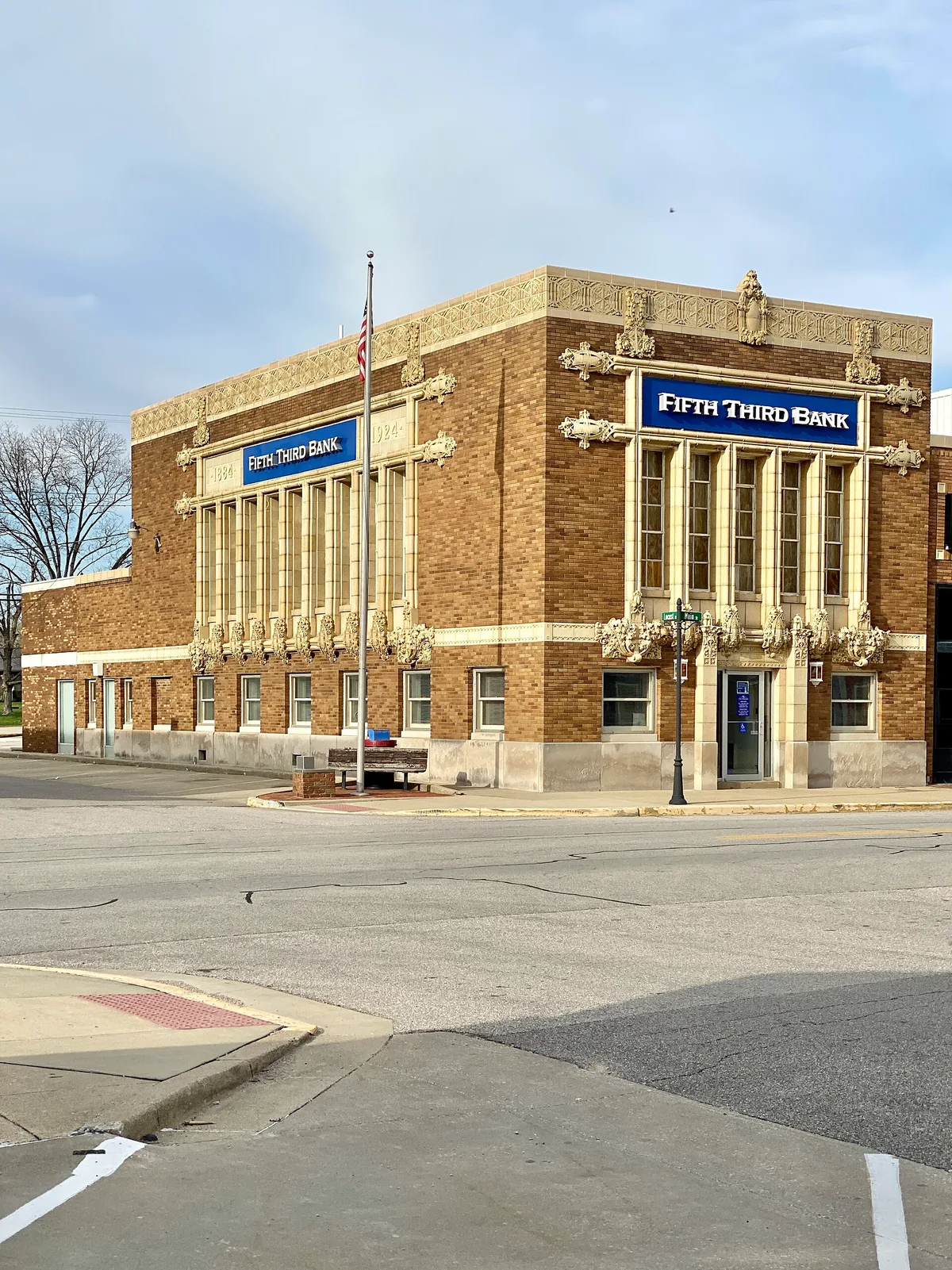
When the last teller window in town stays open, the reason is rarely the branch's own economics — it is everything the branch quietly carries.