
Topic
Brazil Fintech News: How Funding, Regulation and Market Moves Shape the Sector
Latin America's largest economy runs one of its most active fintech markets, and the mechanism behind that activity matters more than any single announcement.
Latin America's largest economy runs one of its most active fintech markets, and the mechanism behind that activity matters more than any single announcement.

Funding has stabilized, the trust gap with banks has narrowed, and the models gaining traction are the ones that sell picks and shovels to the financial system itself.

Banks earn the spread between deposit and loan rates, add fee income, then absorb losses and payroll; FDIC data put the industry margin at 3.32 percent in second quarter 2026.

A new digital banking update brings credit card PIN changes, future-dated Interac e-Transfers and appointment booking to the Scotia app — what each change does, and who it affects.

Acquisition spend, compliance overhead and per-account servicing costs decide whether a challenger bank reaches breakeven or keeps raising money.

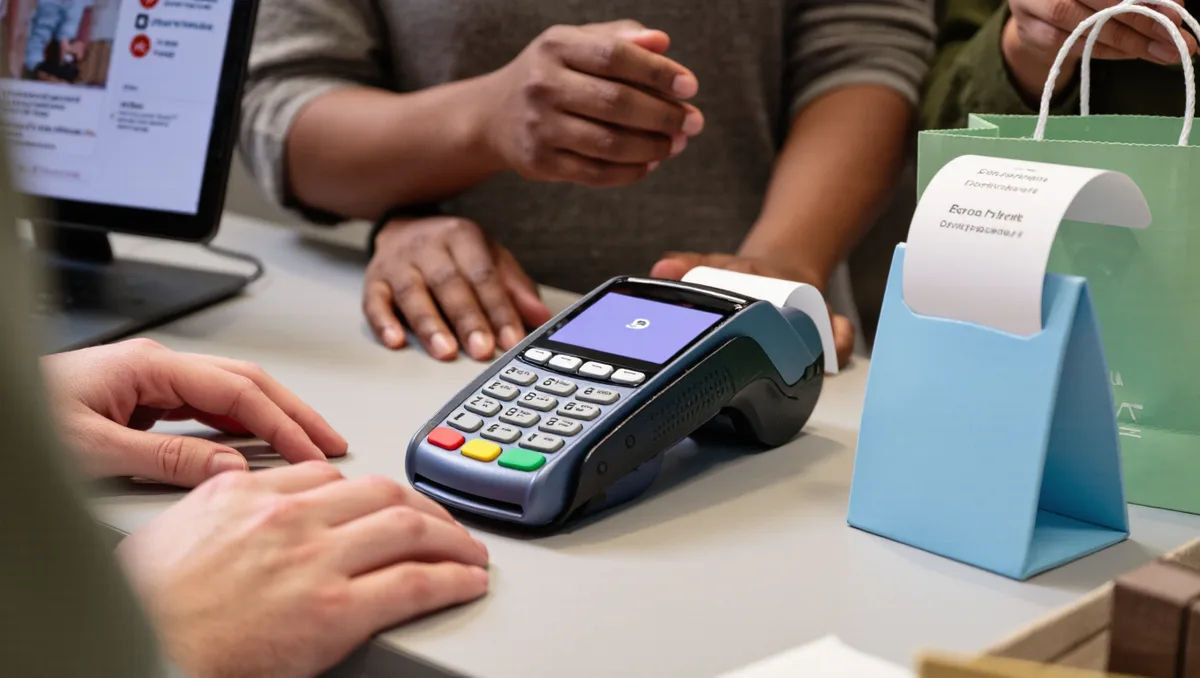
A single card payment crosses at least four companies between checkout click and settled funds. Here is the route, and where the fees sit along it.
Correspondent banking chains, fee stacking and FX spreads explain the lag; newer instant rails are starting to cut it.
A working method for separating what a market story proves from what its headline implies.