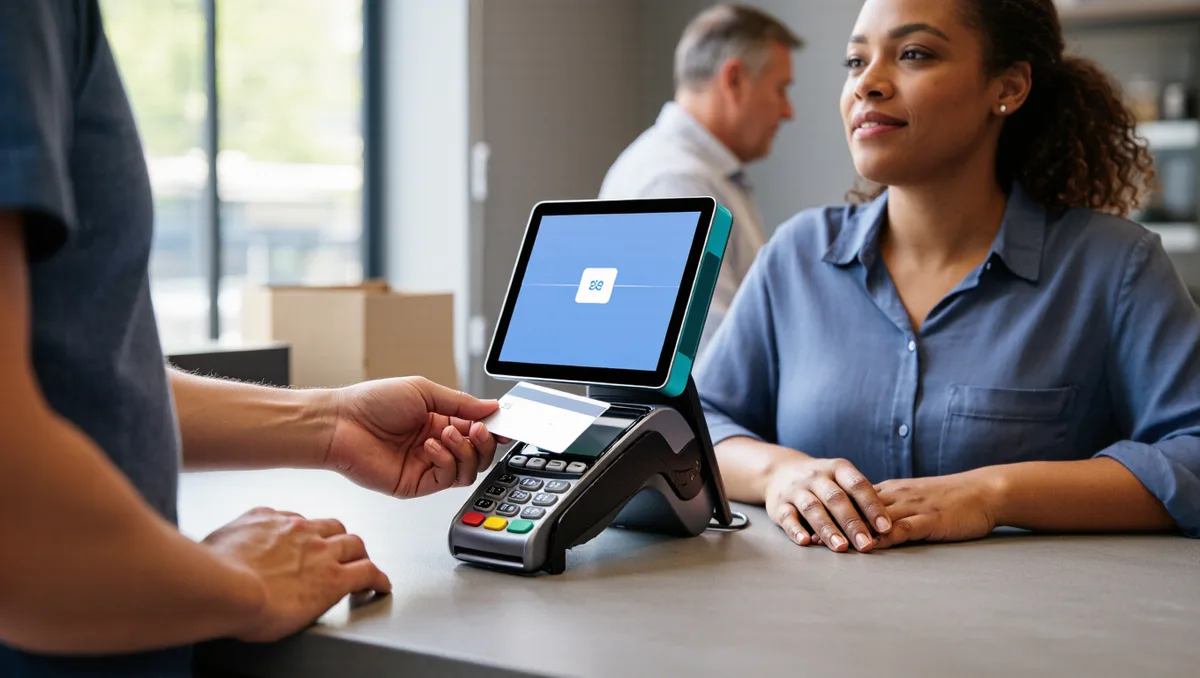
Every card-present sale ends at a device on the counter. That device gets there by different roads. Processors bundle terminals with acquiring contracts. Software firms design their own. The POS terminal market now splits along those lines. The newest annual filings sort it out. Fiserv filed on February 19, 2026, Block on February 26, and Toast on February 18. Each document names a different kind of owner for the countertop.
The filings matter because the hardware looks similar from across the counter. A screen and a card reader cannot say who built the device. They cannot say what contract traveled with it. The same form factor can carry a processor's bundle, a platform's ecosystem, or a network's per-sale fee. That binding process appears in how a card gets provisioned into a phone wallet. This innovation coverage follows the devices themselves.
The Processor Model: Hardware as an Attachment
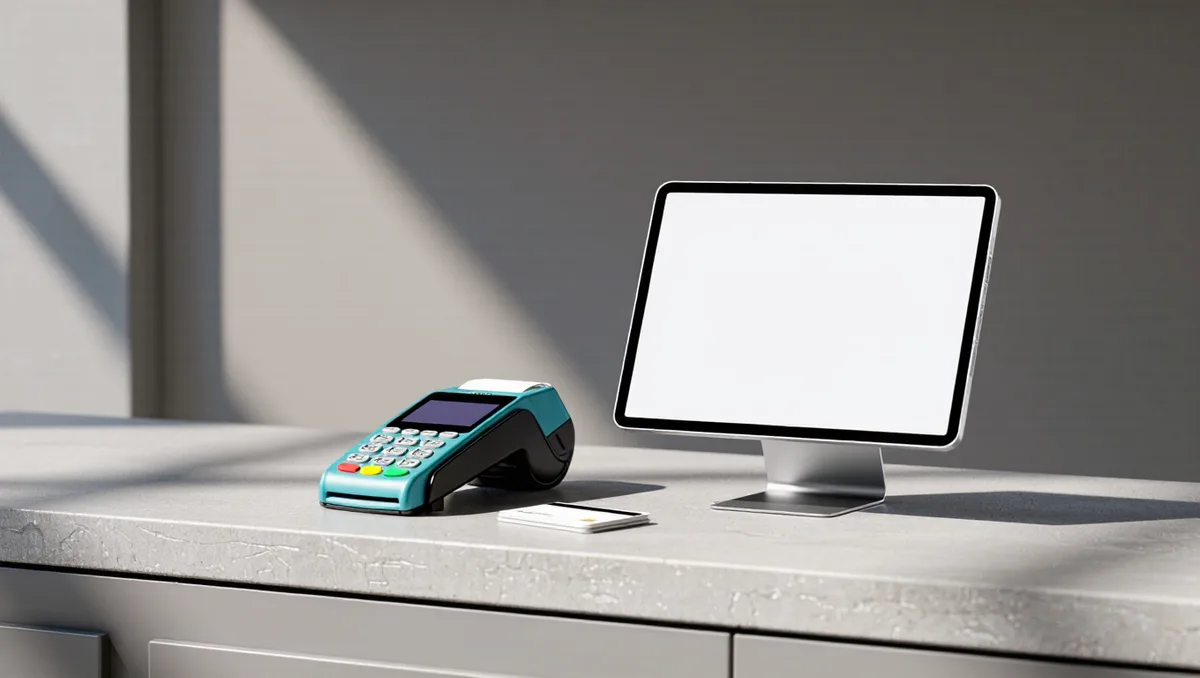
Fiserv's 10-K describes Clover as its "POS and business management platform for small business clients." The platform sits inside a Merchant segment that also moves full acquiring services. The accounting section states the hardware arrangement plainly. The company sells or leases its hardware. The filing states that "hardware typically consists of POS terminals or Clover" devices. The same filing adds a detail that surprises many readers. Fiserv "does not manufacture hardware" and "purchases hardware from third-party vendors." The inventory sits with Fiserv until a customer signs. The leasing side runs through the balance sheet too. The filing reports leasing receivables tied to its POS terminal leasing business. Interest income on those assets lands inside product revenue.
The Platform Model: Design the Device
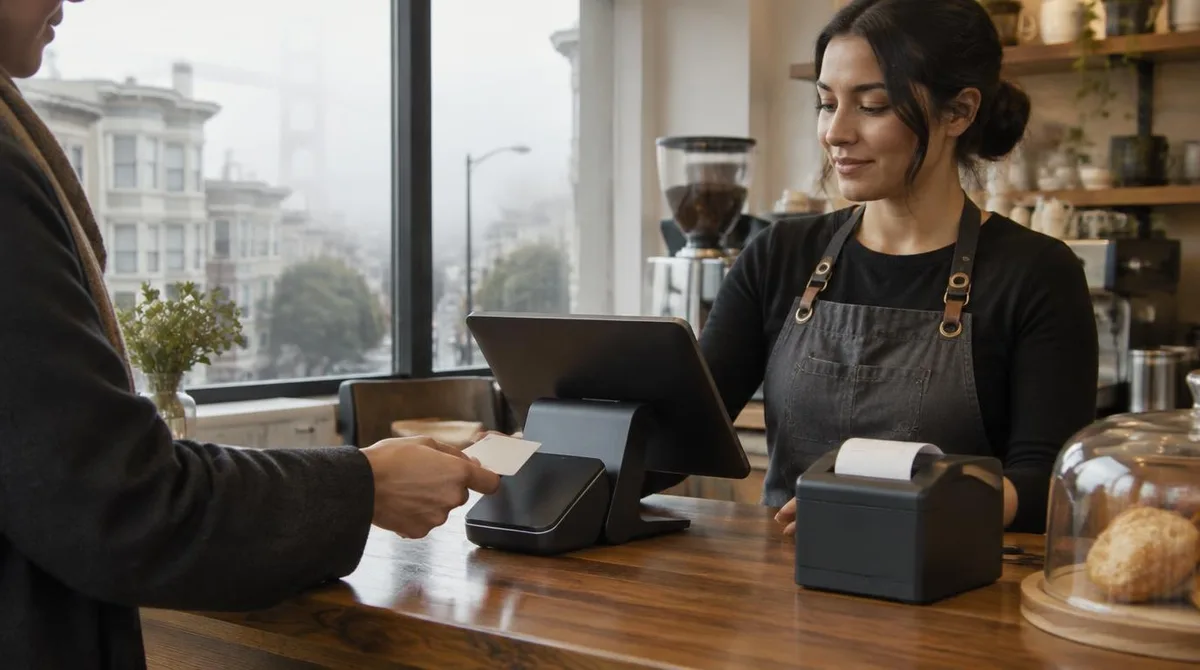
Block took the opposite road and builds its own hardware. Its 10-K lays out the line item by item. Square Register combines the company's hardware, POS software, and payment stack in one countertop unit. Two screens face opposite ways, with a built-in reader for tap, dip, and swipe. Square Terminal is described as a "portable, all-in-one payments device and receipt printer to replace traditional keypad terminals." Square Stand turns an iPad into a payment terminal or a full point-of-sale setup. The devices exist to sell the software and payments stack, not an acquiring contract alone.
The Vertical Model: One Industry, Full Stack
Toast narrows the target to restaurants. Its 10-K lists "software to run fixed-location POS terminals, handheld POS devices, and self-service kiosks." Every device runs on hardware Toast builds itself. The filing also describes optional cellular backup in its Toast Go 3 handhelds. An order keeps moving past Wi-Fi range. Tickets keep printing too. Software and firmware updates deploy remotely. Device health is monitored across the fleet. The terminal is one part of a bigger system. It spans the dining room and the kitchen.
What the Three Models Mean at the Counter
The models change who earns what from the same tap: For related coverage, see How a Card Gets Bound to a Phone Wallet During Provisioning.
- A processor-attached terminal ties the merchant to its acquirer. A lease or equipment plan often follows.
- A platform-designed terminal sells hardware and subscriptions to the merchant directly. Payments revenue rides alongside.
- A vertical stack prices the industry workflow. Hardware is the entry point to software subscriptions.
Fiserv's disclosure that it buys its devices from outside vendors shows the seam between the models. The brand on the terminal names the seller. The engineering can sit somewhere else entirely. We covered a connected angle in Card Network Tokenization — Network Tokenization Explained: How Visa and Mastercard Replace Card Numbers.
Conclusion: Same Counter, Three Businesses
From the customer's side, the POS terminal market looks uniform. It is not. Fiserv sells and leases devices bought from outside vendors, wrapped around acquiring relationships. Block designs its own terminals. They carry a software and payments stack sold straight to the merchant. Toast narrows further and treats the terminal as one organ in a restaurant system. The February 2026 filings describe the same plastic and glass as three different products. That is exactly what they are.